Can “Microrobots” Help Humans Battle Microplastics Pollution?

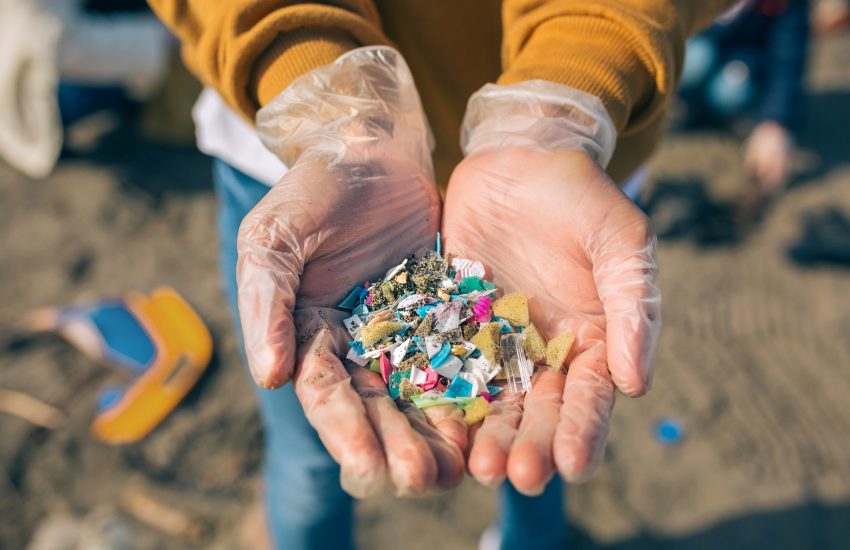
The presence of microplastics—fragments of plastic smaller than 5 millimeters—is ever increasing across all types of environments, from cities to waterways. Moreover, microplastics do not biodegrade easily; the process can take hundreds of years. The ubiquity of durable microplastics in our environment, and the challenges we face in removing them due to their small size, has resulted in a significant amount of research intended to assess the ways by which microplastics can be eliminated.

A recent study in ACS Applied Materials & Interfaces is the …

Continue Reading

Air Quality Control Board Votes to Cut Emissions in Southern California

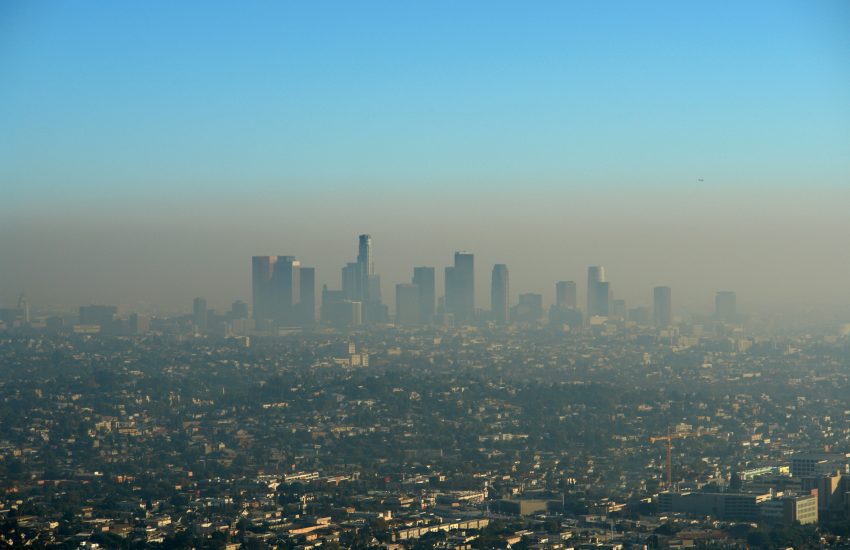
Southern California is known for its beautiful beaches, perfect weather, and for being the smoggiest region in the nation. On May 7, 2021, the South Coast Air Quality Management District (SCAQMD) passed the Warehouse Indirect Source Rule (Warehouse Rule) in a 9-4 vote in an effort to combat Southern California’s smog problem. The Warehouse Rule is essentially a program that will focus on reducing the exposure of nitrogen oxide and diesel particulate matter in the air over the next three years. Specifically, the Warehouse Rule …

Continue Reading

Can Biofilm Engineering Be Used to Address Microplastics Pollution?

Microplastics, which are fragments of plastic smaller than 5 millimeters, have increasingly been released into the environment over the last several decades—primarily into bodies of water—whether during production, use, or degradation of plastic products. Microplastics have been found in over one hundred aquatic species, in sources of food such as crops, and within large plastic debris piles floating across the ocean. The prevalence of microplastics pollution across ecosystems, exacerbated by the fact that microplastics are not easy to biodegrade, has prompted proposals and passage of …

Continue Reading

A Change is Gonna Come … (and it’s kinda sorta already here)

The legendary singer/songwriter Sam Cooke may have intended for his 1964 anthem, “A Change is Gonna Come,” to be a protest song to surreptitiously fuel the civil rights movement and its pursuit of social justice, but little did he know the soulful R&B melody may realize its revival in the Biden administration as the U.S. Environmental Agency’s (EPA’s) new battle cry for environmental justice.

The EPA defines environmental justice (EJ) academically as “the fair treatment and meaningful involvement of all people, regardless of race, color, national origin, …

Continue Reading

New York Becomes Second State to Ban Plastic Toiletry Bottles in Hotels—the Latest Subject of Single-Use Plastics Bans

In April, New York became the second state to pass a law prohibiting hotels from offering their guests personal care products in single-use plastic bottles. Set to go into effect on January 1, 2024 for hotels with 50 rooms or more and January 1, 2025 for hotels with less than 50 rooms, the law, which is included in New York’s Environmental Conservation Law, restricts “hotels from making available to hotel guests small plastic bottle hospitality personal care products.” The legislation defines “small plastic bottle” as …

Continue Reading

Government Accountability Office Uncovers Regulatory Vacuum for Offshore Oil and Gas Pipelines

In April, the Government Accountability Office (GAO) issued a report recommending the Department of the Interior’s Bureau of Safety and Environmental Enforcement (BSEE) take actions to further develop, finalize, and implement updated pipeline regulations to address limitations regarding the BSEE’s ability to ensure the integrity of offshore oil and gas pipelines—and to address safety and environmental risks associated with pipeline decommissioning. BSEE is responsible for enforcing standards and regulations for oil and gas operations in federal offshore waters of which there has been 40,000 miles …

Continue Reading

Another Former Potomac River Paper Mill Strikes Costly Settlement Deal to Avoid Lengthy Pollution Litigation

Verso Corporation and Verso Luke LLC, owners of the now closed Luke Paper Mill, became the latest potentially responsible parties (PRP) to resolve claims against them for discharging waste into the North Branch Potomac River. The mill manufactured paper products along the river, which straddles the Maryland-West Virginia border. 

On April 6, 2019, a fisherman reported to Maryland that “pure black waste” was entering the river near the mill. Subsequent investigations revealed black liquid seeping from several locations along approximately 500 feet of riverbank located on the mill’s property …

Continue Reading

The Battle for Biofuel Exemptions Heads to the Supreme Court

In a bid to curb the emission of greenhouse gasses and reduce American dependence on foreign oil sources, Congress passed the Energy Policy Act of 2005, which included the Renewable Fuel Standard (RFS). The RFS imposes Renewable Volume Obligations (RVO) on transportation fuel producers in the U.S., requiring them to include a threshold amount—increasing annually—of renewable fuels such as those derived from corn, grain, or sugarcane.

Though hailed by environmental groups as a step in the right direction, the RFS has promulgated the acceleration of …

Continue Reading

Offshore Wind Alert: New York Bight—The Next Major Wind Farm?

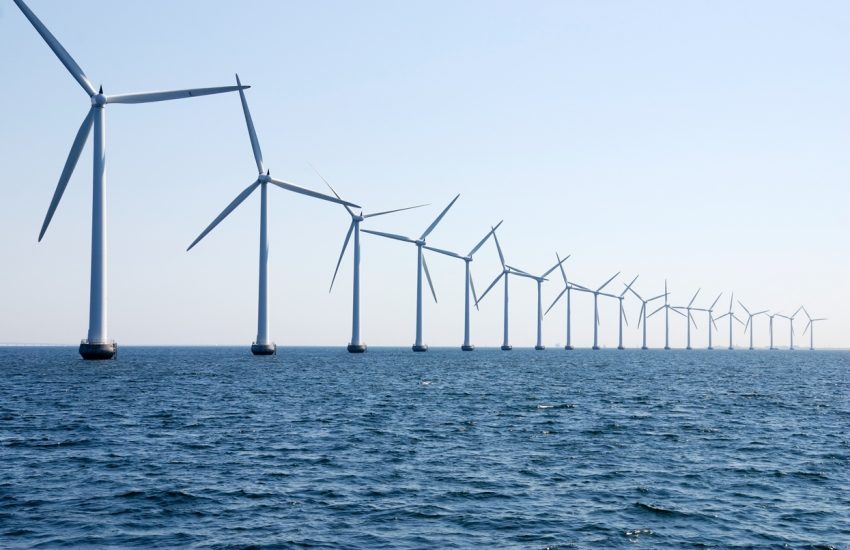
On March 29, 2021, the Biden administration announced a plan to expand offshore wind power along the East Coast. One area that may be part of such expansion is the New York Bight, which is a geological area that describes a swath of shallow waters along the Atlantic coast, spanning from the Cape May Inlet in New Jersey to Montauk Point at the eastern tip of Long Island. It is also the area subject to a potential offshore wind zone that the administration hopes can produce 30,000 megawatts (30 gigawatts) of power from wind turbines by 2030. 

To “advance domestic energy production, generate revenue, and increase …

Continue Reading

Is the “Safe Rule” as Safe as it Sounds? Developments Regarding the Fight Over Automobile Emissions Standards

The battle surrounding the regulation of automobile emissions standards lost some steam last week after a number of major automakers withdrew their support of the Safer Affordable Fuel-Efficient (SAFE) Vehicles rule enacted by the Trump administration.

Certain major car manufactures are looking to exit the federal litigation, in which automaker trade groups intervened on behalf of the federal government to support the SAFE rules that sought to strip states of the ability to set their own vehicle greenhouse gas emissions and fuel economy standards. These …

Continue Reading